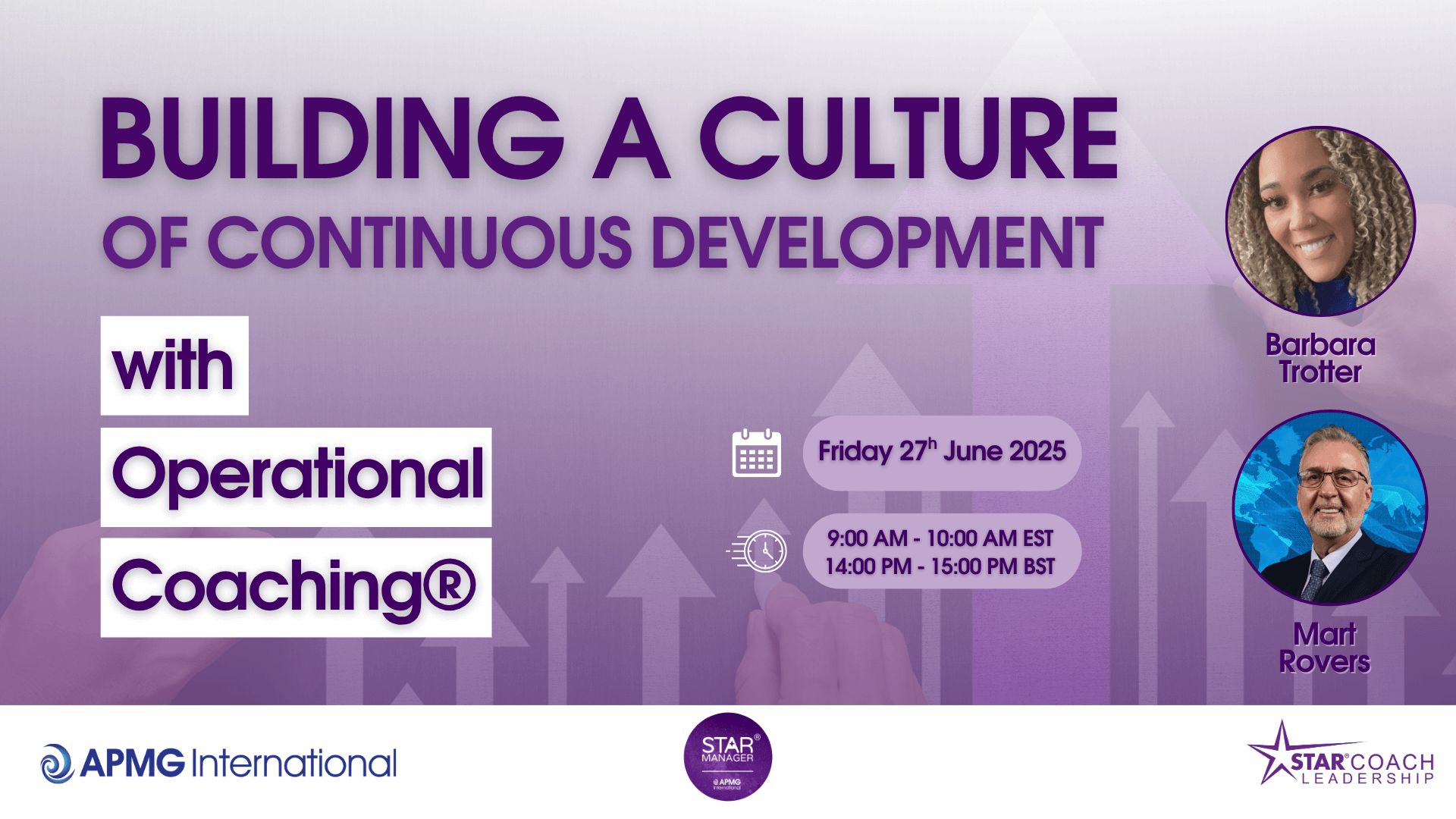
Building a Culture of Continuous Development
Many organizations talk about building a culture of continuous development, but few truly live it. The difference between talking and doing often comes down to one thing: Operational Coaching® that transforms everyday interactions into growth opportunities.
“Transforming managers into mentors and teams into cultures of growth”
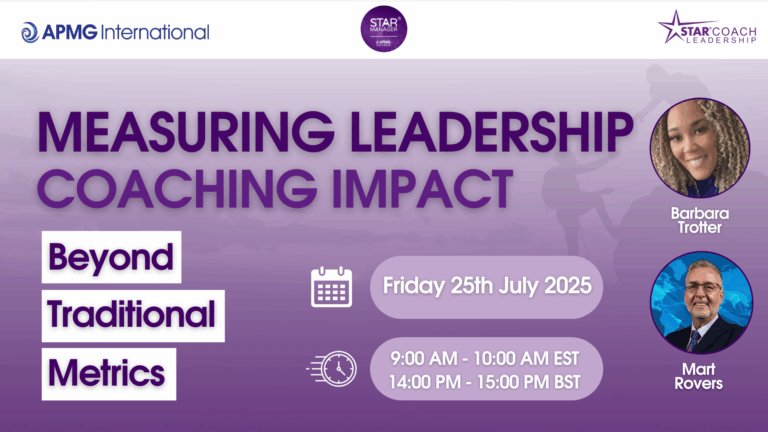
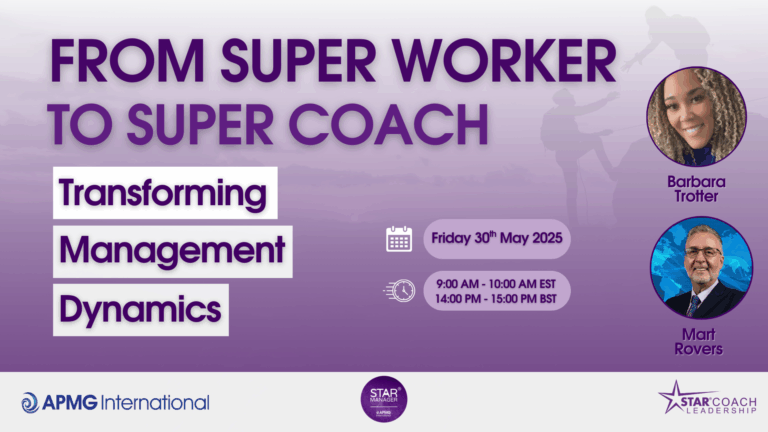
In a recent panel discussion, leadership experts Barbara Trotter (strategic leadership coach and founder of Purposeful Transformations) and Mart Rovers (president of INTERPROM and STAR® Manager Coach) shared insights on how the STAR® model—STOP, THINK, ASK, RESULT—can revolutionize organizational culture.
What Does a True Coaching Culture Look Like?
A coaching culture isn’t about formal coaching sessions or expensive training programs. It’s about making curiosity the norm, not the exception.
“A true coaching culture is one where people are expected—and encouraged—to reflect, share, and grow together,” explains Mart. “It’s about everyday interactions.”
Consider this example: At one tech firm, managers began incorporating STAR® into daily stand-ups, asking questions like “What’s the result we’re working toward?” and “What’s stopping us right now?” This simple shift transformed a room of task-checkers into a team of strategic thinkers.
But coaching culture runs deeper than methodology—it’s built on trust. As Barbara notes, “At one university I supported, a department chair told me, ‘My team doesn’t feel safe giving feedback.’ Coaching helped her shift from being the authority to becoming the facilitator. Within a semester, peer mentoring tripled.”
The key insight: When feedback isn’t feared, it becomes fuel for growth.
From Directive to Collaborative Leadership
DurinThe biggest challenge many leaders face is letting go of control. But this shift requires redefining what power means in leadership.
“Too often, leadership is mistaken for having answers,” says Barbara. “But in a STAR® culture, the power lies in asking the right questions.”
She shares the story of a hospital nursing lead who transformed her approach from giving orders to asking, “What would make this feel doable today?” That single change reduced team stress and doubled input from staff members.
The transition from directive to collaborative leadership requires practice. The STAR® model provides a framework where the THINK and ASK stages teach managers to pause before reacting. As one client put it: “It helped me stop being the fixer—and start being the guide.”
The Hidden Crisis: Why 79% of Employees Quit Due to Lack of Appreciation
Here’s a sobering statistic: 79% of employees quit their jobs due to lack of appreciation. But why is appreciation so consistently missed?
“Because managers confuse appreciation with approval,” explains Mart. “They say ‘good job’—but don’t ask ‘how did you get there?’ STAR® creates space to spotlight people’s thinking, not just their results.”
Real appreciation doesn’t require elaborate recognition programs. It requires presence and genuine curiosity. One dean learned to say, “I noticed how you supported that student today. What guided your approach?” That simple moment of recognition became the most affirming experience in the employee’s year.
Remember: It’s not the pizza party—it’s the personal notice that matters.
The Anatomy of a Coaching Environment
What actually shows up in organizations with strong coaching cultures? According to our experts, coaching environments consistently demonstrate:
- High trust between team members and leaders
- Psychological safety where people can take risks and make mistakes
- Curiosity as a default mode of interaction
- Accountability without shame when addressing challenges
One corporate team that adopted coaching principles reported asking more questions than making assumptions. This single behavioral shift lifted their engagement scores by 18% in just three months.
Leaders in coaching environments also master the art of listening without immediately jumping to solutions. The STOP and THINK phases of STAR® literally build in time for reflection and understanding—and team members can feel the difference.
Why Operational Coaching® Creates Lasting Change
Unlike many organizational development initiatives that fade over time, operational coaching creates sustainable change because it’s embedded in daily work.
“It’s operational,” says Mart. “It fits into real conversations. You don’t need a coaching certification to use STAR®. You need the willingness to stop doing and start facilitating.”
The model scales naturally. Barbara worked with a district-level leader who taught STAR® to 11 principals. By year’s end, they saw increased student engagement, improved faculty retention, and clearer decision-making across all schools.
“That’s not a workshop effect,” she notes. “That’s cultural change.”
When Everyone Becomes a Coach
What happens when coaching becomes a shared practice rather than a specialized role? Organizations see remarkable transformations:
- Hierarchies flatten naturally
- People step up to help rather than deflect responsibility
- Conflict resolution improves dramatically (one medical center saw 60% improvement)
- Culture shifts from reaction to reflection
“It becomes contagious,” observes Mart. “When one person asks a great question, others learn to ask too.”
Practical Strategies for Meaningful Interactions
Want to make your conversations more meaningful? Start with these evidence-based approaches:
Embrace curiosity + pause + presence. One manager discovered that “My team started trusting me more when I stopped rushing them.”
Ask authentic questions. Leaders who regularly ask, “What’s something I don’t know about your experience here?” consistently uncover insights that transform their understanding.
Create reflection routines. At one school district, adding 10-minute weekly “STAR® Circles” led to two teachers applying for leadership roles for the first time ever within a single quarter.
Build think time into meetings. Ask questions like “What’s something you’re curious about in your role right now?” Questions create momentum and develop future leaders.
The Retention Connection
The business case for coaching culture is compelling. According to Gallup research, teams with coaching managers see up to 70% higher engagement—directly linked to retention rates.
One logistics team reduced attrition by 35% in six months after their manager shifted from micromanaging to mentoring. The lesson? People don’t leave jobs—they leave leaders who don’t see them. Coaching culture flips that dynamic entirely.
Your Next Step
Building a coaching culture doesn’t require overhauling your organizational chart. It starts with leaders who choose to embed development into how they lead, listen, and ask questions.
The STAR® model provides a practical framework for this transformation:
- STOP your automatic responses
- THINK about what’s really happening
- ASK questions that unlock potential
- Focus on RESULTS that matter
Ready to become a cultural catalyst in your organization? Operational Coaching® through models like STAR® offers real tools for real work—not just theory, but transformation you can practice immediately.
To learn more about STAR® Manager Certification and how to build a culture of continuous development, visit www.starcoachleadership.com or schedule a free consultation at your convenience.